
Zessa Journal
Plant-Based vs Vegan: What Is the Difference?
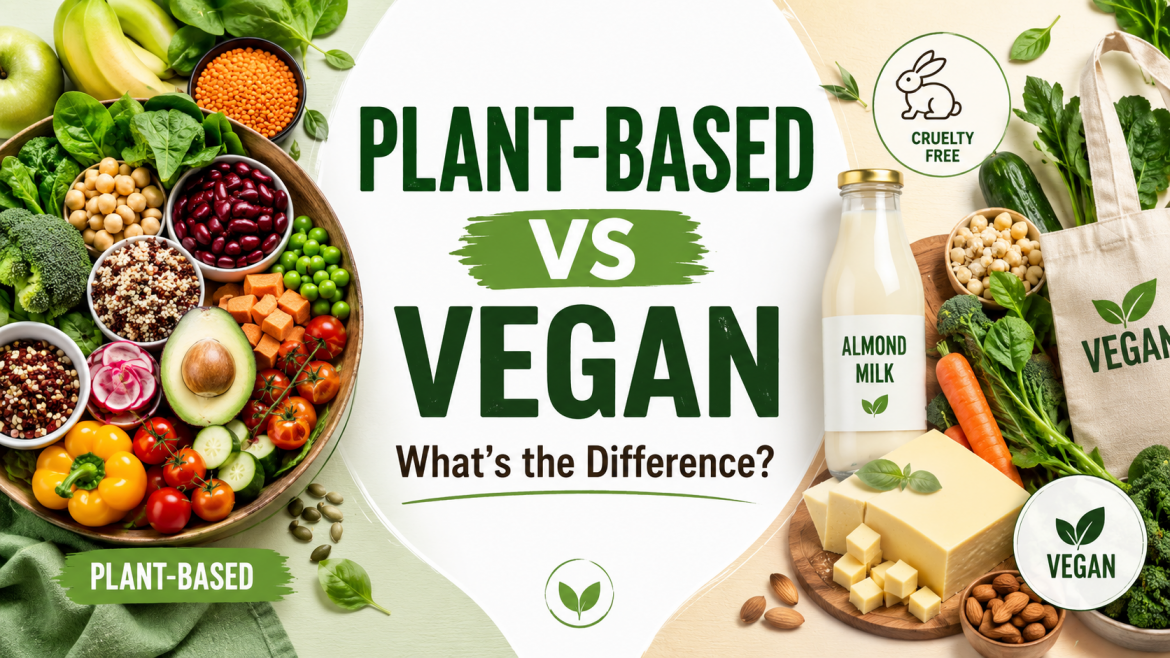
Many people use the words plant-based and vegan as if they mean the same thing. While they are closely related, they are not exactly the same.
In simple terms, plant-based usually refers to a way of eating that focuses mainly on foods made from plants. Vegan, on the other hand, is often a broader lifestyle choice that avoids animal-derived products not only in food, but also in clothing, cosmetics, and other areas.
Understanding the difference can help you make better food choices, read product labels more clearly, and choose the approach that fits your health, values, and lifestyle.
Harvard Health describes plant-based or plant-forward eating as a pattern focused mainly on foods from plants such as fruits, vegetables, nuts, seeds, oils, whole grains, legumes, and beans. It also notes that plant-based eating does not always mean a person is vegetarian or vegan. Source: Harvard Health — https://www.health.harvard.edu/blog/what-is-a-plant-based-diet-and-why-should-you-try-it-201809261700
Table of Contents
- What Does Plant-Based Mean?
- What Does Vegan Mean?
- Plant-Based vs Vegan: Quick Comparison
- Key Differences Between Plant-Based and Vegan
- Is Plant-Based Food Always Vegan?
- Is Vegan Food Always Healthy?
- Which Is Better: Plant-Based or Vegan?
- How to Choose What Works for You
- What to Check Before Buying Plant-Based or Vegan Packaged Food
- Conclusion
- FAQs
What Does Plant-Based Mean?
A plant-based diet focuses mainly on foods that come from plants. These include grains, millets, pulses, legumes, vegetables, fruits, nuts, seeds, and plant-based alternatives.
| Food Group | Examples |
|---|---|
| Grains and millets | Rice, wheat, jowar, bajra, ragi, foxtail millet, little millet |
| Pulses and legumes | Dal, chana, rajma, lentils, beans, chickpeas |
| Vegetables | Leafy greens, gourds, tomato, carrot, beetroot, pumpkin |
| Fruits | Apple, banana, berries, papaya, mango, citrus fruits |
| Nuts and seeds | Almonds, cashews, sesame, flax seeds, pumpkin seeds |
| Plant-based alternatives | Plant-based butter, dairy-free cheese, plant-based spreads, millet bread |
A plant-based approach can be strict or flexible. Some people eat only plant-derived foods, while others simply try to increase the amount of plant foods in their diet and reduce animal-based foods.
The British Dietetic Association explains that a plant-based diet is based on foods from plants with few or no ingredients from animals, including vegetables, whole grains, legumes, nuts, seeds, and fruits. Source: British Dietetic Association — https://www.bda.uk.com/resource/vegetarian-vegan-plant-based-diet.html
For a beginner-friendly explanation, read our guide on plant-based food.
What Does Vegan Mean?
Vegan usually refers to more than diet. It is a lifestyle and ethical position that seeks to avoid animal exploitation and cruelty as far as possible and practicable.
The Vegan Society defines veganism as a philosophy and way of living that seeks to exclude, as far as possible and practicable, all forms of exploitation of and cruelty to animals for food, clothing, or any other purpose. In dietary terms, it means avoiding products derived wholly or partly from animals. Source: The Vegan Society — https://www.vegansociety.com/go-vegan/definition-veganism
This means a vegan person generally avoids:
| Area | What Is Avoided |
|---|---|
| Food | Meat, fish, eggs, dairy, honey, animal-derived ingredients |
| Clothing | Leather, wool, silk, fur |
| Beauty and personal care | Products tested on animals or containing animal-derived ingredients |
| Lifestyle choices | Animal-derived materials or products where avoidable |
So, while plant-based is often about what you eat, vegan is more about how you live.
Plant-Based vs Vegan: Quick Comparison
| Point of Difference | Plant-Based | Vegan |
|---|---|---|
| Main focus | Food and health | Ethics, animals, lifestyle, and food |
| Scope | Mostly diet-related | Food, clothing, cosmetics, and lifestyle |
| Flexibility | Can be flexible | Usually stricter |
| Animal-derived food | May be reduced or avoided | Avoided |
| Packaged food focus | Ingredients and health quality | Animal-free ingredients and ethical suitability |
| Health focus | Often high | Depends on food choices |
| Lifestyle focus | Usually limited | Broader |
| Example | Choosing plant-based butter to reduce dairy | Avoiding dairy butter, leather, wool, and animal-tested products |
Key Differences Between Plant-Based and Vegan
1. Food Choice vs Lifestyle Choice
The biggest difference is scope.
A plant-based person may focus mainly on food. They may choose more fruits, vegetables, grains, millets, pulses, nuts, seeds, plant-based butter, dairy-free cheese, and clean plant-based snacks.
A vegan person usually applies the principle beyond food. They may also avoid leather, wool, silk, animal-tested cosmetics, and other animal-derived products.
2. Health Focus vs Ethical Focus
Plant-based eating is often chosen for reasons such as:
- Health
- Digestion
- Weight management
- Reducing dairy
- Eating cleaner
- Adding more fibre and variety
Veganism is often chosen for reasons such as:
- Animal welfare
- Ethics
- Environmental concerns
- Avoiding animal exploitation
- Cruelty-free lifestyle
There can be overlap. A person may be vegan for ethical reasons and still care deeply about health. Similarly, a plant-based eater may also care about animals and sustainability. But the starting point is often different.
3. Flexibility
A plant-based diet can be flexible. Some people follow a fully plant-based diet, while others follow a mostly plant-based approach.
For example, a person may:
- Eat plant-based meals most of the week
- Replace dairy butter with plant-based butter
- Choose dairy-free cheese or spreads
- Add more millets, pulses, nuts, and seeds
- Reduce, but not fully eliminate, animal-based foods
A vegan lifestyle is usually stricter because it avoids animal-derived products as far as possible and practicable.
4. Food Quality
A plant-based product is not automatically healthy, and a vegan product is not automatically healthy.
For example, a product can be vegan but still contain:
- Refined flour
- Excess sugar
- Poor-quality oils
- Artificial flavours
- Preservatives
- Highly processed ingredients
This is why ingredient quality matters. A healthy plant-based or vegan choice should ideally be made with thoughtful ingredients and minimal unnecessary additives.
5. Label Reading
When buying packaged food, plant-based and vegan labels may tell you different things.
| Label | What It Usually Tells You |
|---|---|
| Plant-based | The food is made mainly from plant ingredients |
| Vegan | The food avoids animal-derived ingredients |
| Dairy-free | The food does not contain dairy ingredients |
| Gluten-free | The food does not contain gluten-containing grains |
| Clean label | The ingredient list is simpler and easier to understand |
A vegan label can help people who want to avoid animal-derived ingredients. A plant-based label can help people looking for more plant-forward choices. But in both cases, you should still check the full ingredient list.
Is Plant-Based Food Always Vegan?
Not always.
Some plant-based foods may still contain small amounts of dairy, honey, or other animal-derived ingredients, depending on how the brand uses the term.
| Product | Could Be Plant-Based? | Could Be Vegan? |
|---|---|---|
| Vegetable sandwich with cheese | Yes, mostly plant-forward | No, if it contains dairy cheese |
| Millet bread with dairy butter | Mostly plant-based meal | No, if it contains dairy butter |
| Plant-based butter with no dairy | Yes | Yes, if no animal-derived ingredients are used |
| Nut-based spread with honey | Plant-based | Not vegan |
| Dairy-free cheese | Yes | Usually vegan, but label should be checked |
This is why customers should not rely only on the front label. Always check the ingredient list.
Is Vegan Food Always Healthy?
No. Vegan food simply means it avoids animal-derived ingredients. It does not automatically mean the food is clean, balanced, or nutrient-dense.
For example, the following foods can be vegan:
- Sugary drinks
- Fried snacks
- Refined flour biscuits
- Certain packaged chips
- Sugar-heavy desserts
- Highly processed mock meats
A healthy vegan diet should still include balanced foods such as vegetables, fruits, whole grains, millets, pulses, legumes, nuts, and seeds.
Harvard Health notes that plant-based diets can provide protein, fats, carbohydrates, vitamins, and minerals, but those following strict vegan diets may need to pay attention to nutrients such as vitamin B12. Source: Harvard Health — https://www.health.harvard.edu/blog/what-is-a-plant-based-diet-and-why-should-you-try-it-201809261700
Which Is Better: Plant-Based or Vegan?
There is no single answer. It depends on your reason for choosing the approach.
| Your Goal | Better Fit |
|---|---|
| You want to eat cleaner | Plant-based |
| You want to reduce dairy | Plant-based or vegan |
| You want to avoid animal-derived products fully | Vegan |
| You want flexibility | Plant-based |
| You want an ethical lifestyle approach | Vegan |
| You want to improve everyday food quality | Plant-based, with clean ingredients |
| You want cruelty-free food and lifestyle choices | Vegan |
For many beginners, plant-based eating may feel easier to start because it allows gradual changes. For people who are strongly driven by animal ethics, veganism may feel more aligned.
How to Choose What Works for You
Start With Your Reason
Ask yourself why you are making the change.
Are you choosing it for:
- Better digestion?
- Cleaner food?
- Reducing dairy?
- Ethical reasons?
- Sustainability?
- Health and wellness?
- Food sensitivity?
Your reason will help you decide whether plant-based eating, vegan eating, or a gradual transition works best.
Start With Small Swaps
You do not need to change everything overnight.
| Instead Of | Try This |
|---|---|
| Dairy butter | Plant-based butter |
| Cheese spread | Dairy-free cheese or plant-based spread |
| White bread | Millet bread or sprouted millet bread |
| Refined snacks | Seed crackers or millet-based snacks |
| Cream-based dips | Nut-based or vegetable-based spreads |
| Regular biscuits | Cleaner plant-based cookies |
Focus on Ingredients, Not Just Labels
Whether you choose plant-based or vegan, the ingredient list matters.
Look for:
- Familiar ingredients
- Better fats
- Natural sources of flavour
- Fibre-rich ingredients
- Protein sources
- Minimal unnecessary additives
- Clear allergen information
Avoid choosing a product only because the front label says plant-based or vegan.
Make It Practical for Indian Meals
Indian food makes the transition easier because many meals are already plant-forward.
| Meal | Plant-Based / Vegan-Friendly Direction |
|---|---|
| Breakfast | Poha, upma, dosa, idli, millet bread |
| Lunch | Dal, rice, sabzi, millet roti |
| Snack | Seed crackers, nuts, plant-based spreads |
| Dinner | Khichdi, vegetable curry, lentil soup |
| Light meal | Millet bread sandwich with dairy-free spread |
The goal is to make your everyday meals more nourishing without making your routine difficult.
What to Check Before Buying Plant-Based or Vegan Packaged Food
When buying packaged food, check more than the front claim.
| What to Check | Why It Matters |
|---|---|
| Ingredient list | Helps you understand what the food is made from |
| Dairy ingredients | Important if you are avoiding milk, butter, cheese, whey, casein, or cream |
| Honey or other animal-derived ingredients | Important for vegan suitability |
| Sugar | Some plant-based or vegan products may still be sugar-heavy |
| Type of oil or fat | Fat quality affects everyday food quality |
| Preservatives | Important for people looking for clean-label foods |
| Allergen details | Important for nuts, seeds, gluten, soy, or other sensitivities |
| Processing level | Less processed foods are usually better for regular use |
A good product should be clear about what it contains and what it does not contain.
Conclusion
Plant-based and vegan are related, but they are not the same.
Plant-based usually refers to food choices that focus mainly on plant ingredients. It can be flexible and is often chosen for health, digestion, clean eating, or reducing dairy.
Vegan is a broader lifestyle approach that avoids animal-derived products and animal exploitation as far as possible and practicable. It usually includes food, clothing, beauty products, and other lifestyle choices.
For beginners, the best approach is to start with awareness. Read labels, understand ingredients, and choose foods that match your values and your body’s needs.
At Zessa, we create clean, plant-based foods made with thoughtful ingredients for people who want everyday food that feels indulgent, nourishing, and easier on the body.
Explore Zessa’s clean, plant-based range made for everyday nourishment.
FAQs
What is the main difference between plant-based and vegan?
Plant-based usually refers to food choices focused mainly on plant ingredients, while vegan refers to a broader lifestyle that avoids animal-derived products in food, clothing, beauty, and other areas.
Is plant-based the same as vegan?
No. Plant-based and vegan are related, but not the same. Plant-based is usually diet-focused, while vegan is a lifestyle and ethical choice.
Can plant-based food contain dairy?
Sometimes, depending on how the term is used. A food may be mostly plant-based but still contain dairy, honey, or other animal-derived ingredients. Always check the ingredient list.
Is vegan food always plant-based?
In dietary terms, vegan food avoids animal-derived ingredients and is usually made from plant, mineral, or synthetic non-animal sources. However, vegan food is not always healthy or minimally processed.
Is vegan food always healthy?
No. Vegan food avoids animal-derived ingredients, but it can still contain refined flour, excess sugar, poor-quality oils, or preservatives. Ingredient quality still matters.
Which is healthier: plant-based or vegan?
Either can be healthy if planned well. A diet rich in vegetables, fruits, pulses, millets, whole grains, nuts, and seeds is generally better than one based mainly on refined or highly processed foods.
Can I be plant-based without being vegan?
Yes. Many people follow a plant-based diet for health or digestion without following a fully vegan lifestyle.
Which is easier for beginners?
Plant-based eating may feel easier for beginners because it can be gradual and flexible. Veganism may be more suitable for people who are strongly committed to avoiding animal-derived products.
External Sources
- Harvard Health — What is a plant-based diet and why should you try it?: https://www.health.harvard.edu/blog/what-is-a-plant-based-diet-and-why-should-you-try-it-201809261700
- British Dietetic Association — Vegetarian, vegan and plant-based diet: https://www.bda.uk.com/resource/vegetarian-vegan-plant-based-diet.html
- The Vegan Society — Definition of veganism: https://www.vegansociety.com/go-vegan/definition-veganism