
Zessa Journal
What Is Plant-Based Food? A Simple Guide for Beginners
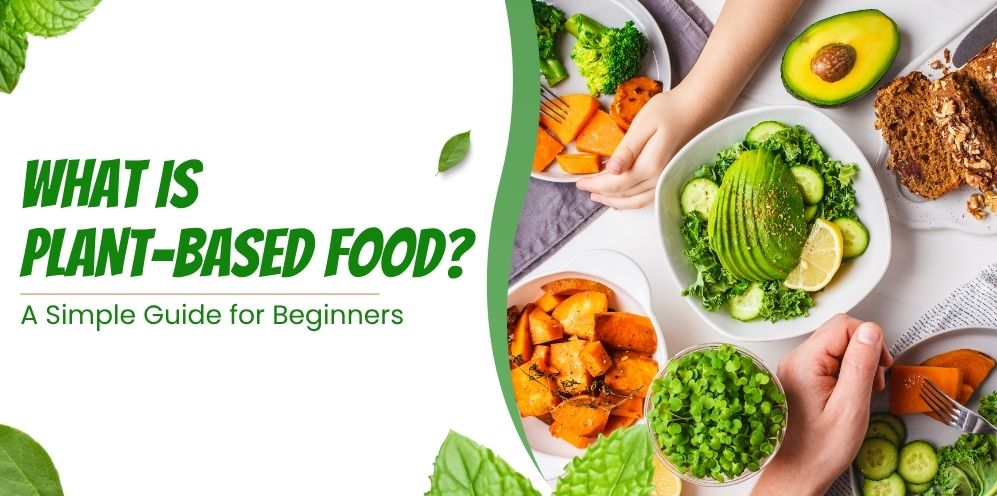
What Is Plant-Based Food? A Simple Guide for Beginners
Food choices are changing. More people today are looking for food that feels lighter, cleaner, and easier on the body. This is where plant-based food comes in.
Plant-based food is not about complicated diets or giving up everything you enjoy. At its simplest, it means choosing foods made mainly from plants — such as grains, millets, pulses, nuts, seeds, fruits, vegetables, and natural plant ingredients.
For beginners, plant-based eating can be a simple way to add more nourishment, fibre, and variety to everyday meals.
Table of Contents
- What Is Plant-Based Food?
- Is Plant-Based Food the Same as Vegan Food?
- Common Examples of Plant-Based Foods
- What Are the Benefits of Plant-Based Food?
- Plant-Based Food in Everyday Indian Meals
- Simple Plant-Based Swaps for Beginners
- What to Check Before Buying Plant-Based Packaged Food
- Is Plant-Based Food Healthy?
- Conclusion
- FAQs
What Is Plant-Based Food?
Plant-based food refers to food made mainly from plant ingredients. These include:
| Plant-Based Ingredient Type | Examples |
| Grains and millets | Rice, wheat, jowar, bajra, ragi, foxtail millet, little millet |
| Pulses and legumes | Dal, chickpeas, rajma, moong, chana, lentils |
| Nuts and seeds | Almonds, cashews, sesame, flax seeds, pumpkin seeds |
| Fruits and vegetables | Leafy greens, berries, banana, beetroot, tomato, carrot |
| Plant-based fats | Coconut, olive oil, nut butters, seed oils |
| Plant-based alternatives | Plant-based butter, dairy-free cheese, nut-based spreads |
In simple terms, plant-based food focuses on ingredients that come from plants rather than animal-based sources.
However, plant-based eating does not always mean following a strict rule. Some people follow it fully, while others simply try to include more plant-based foods in their daily meals.
Is Plant-Based Food the Same as Vegan Food?
Plant-based and vegan are often used together, but they are not exactly the same.
| Point | Plant-Based | Vegan |
| Main focus | Food and health | Lifestyle and ethics |
| Scope | Mostly diet-related | Includes food, clothing, cosmetics, and lifestyle |
| Flexibility | Can be flexible | Usually stricter |
| Food approach | More plant-focused meals | Avoids all animal-derived ingredients |
| Example | Choosing plant-based butter for health or digestion | Avoiding dairy, honey, leather, silk, and animal-tested products |
A person may choose plant-based food for health, digestion, taste, sustainability, or personal preference. Veganism is usually a broader lifestyle choice that avoids animal-derived products beyond food.
So, all vegan food is plant-based, but not everyone who eats plant-based food follows a fully vegan lifestyle.
Common Examples of Plant-Based Foods
Plant-based food can be simple and familiar. In India, many everyday foods already include plant-based ingredients.
Examples include:
| Meal Type | Plant-Based Food Examples |
| Breakfast | Poha, upma, millet bread, dosa, idli, fruit bowls |
| Lunch | Dal, rice, sabzi, millet roti, chana, rajma |
| Snacks | Roasted makhana, nuts, seeds, crackers, hummus, plant-based spreads |
| Dinner | Khichdi, millet pulao, vegetable curry, lentil soup |
| Alternatives | Plant-based butter, dairy-free cheese, nut-based spreads, millet bread |
Plant-based eating does not have to feel unfamiliar. It can easily fit into Indian food habits with small changes.
What Are the Benefits of Plant-Based Food?
Plant-based food can support better everyday eating when chosen wisely. The benefits depend on the quality of ingredients, level of processing, and overall balance of the diet.
-
Rich in Fibre
Plant foods such as millets, vegetables, pulses, seeds, and fruits are naturally rich in fibre. Fibre supports digestion, helps maintain fullness, and contributes to better gut health.
-
Naturally Nutrient-Dense
Many plant-based foods contain vitamins, minerals, antioxidants, and natural plant compounds. For example, millets, nuts, seeds, pulses, and vegetables can add useful nutrients to daily meals.
-
Can Feel Lighter on the Body
Many people choose plant-based foods because they feel lighter compared to heavy dairy-based or highly processed foods. Dairy-free options may also be helpful for people who avoid dairy due to digestion, preference, or lifestyle choices.
-
Supports Variety in Diet
Plant-based eating encourages variety. Instead of depending only on regular wheat, rice, dairy, or processed snacks, it opens up options like millets, seed crackers, nut-based spreads, plant-based butters, and lentil-based foods.
-
Can Support Clean Eating
When plant-based food is made with clean, simple ingredients and minimal processing, it can become a better everyday choice. However, not all packaged plant-based foods are automatically healthy. Ingredient quality matters.
Plant-Based Food in Everyday Indian Meals
Indian food already has many plant-forward options. Dal, sabzi, rice, roti, poha, idli, dosa, chutneys, pickles, sprouts, and millet-based meals are common examples.
A plant-based Indian plate may include:
| Food Group | Indian Examples |
| Carbohydrates | Rice, millet roti, poha, upma, dosa |
| Protein | Dal, chana, rajma, sprouts, tofu, lentils |
| Healthy fats | Nuts, seeds, coconut, sesame, groundnut |
| Fibre | Vegetables, fruits, millets, pulses |
| Flavour | Herbs, spices, chutneys, plant-based spreads |
The idea is not to completely change your food habits overnight. It is about making better choices within the food you already eat.
Simple Plant-Based Swaps for Beginners
If you are new to plant-based eating, start with small changes.
| Instead Of | Try This |
| Dairy butter | Plant-based butter |
| Regular cheese spread | Dairy-free plant-based cheese or spread |
| Refined snacks | Seed crackers or millet-based snacks |
| White bread | Millet bread or sprouted millet bread |
| Heavy cream-based dips | Nut-based or vegetable-based spreads |
| Sugary packaged snacks | Cleaner cookies, nuts, seeds, or fruit-based snacks |
These small swaps can help you include more plant-based food without making your diet difficult.
What to Check Before Buying Plant-Based Packaged Food
Plant-based does not automatically mean healthy. A product may be plant-based but still contain excess sugar, refined oils, preservatives, artificial flavours, or highly processed ingredients.
Before buying, check:
| What to Check | Why It Matters |
| Ingredient list | Shorter and clearer ingredient lists are usually easier to understand |
| Preservatives | Choose products with minimal or no artificial preservatives where possible |
| Sugar content | Some plant-based foods may still be high in sugar |
| Type of fat used | Look at the quality of oils, nuts, or seeds used |
| Protein and fibre | These help make food more nourishing |
| Allergen information | Important for people sensitive to nuts, gluten, soy, or seeds |
| Processing level | Less processed foods are generally better everyday choices |
A good plant-based product should not only avoid animal-based ingredients. It should also be made thoughtfully.
Is Plant-Based Food Healthy?
Plant-based food can be healthy when it is balanced and made with good ingredients.
A healthy plant-based diet should include:
| Nutrient Need | Plant-Based Sources |
| Protein | Dal, lentils, chickpeas, beans, nuts, seeds, tofu |
| Fibre | Millets, vegetables, fruits, pulses, seeds |
| Healthy fats | Nuts, seeds, coconut, olive oil |
| Calcium | Sesame, leafy greens, fortified foods |
| Iron | Lentils, beans, spinach, seeds |
| Energy | Millets, grains, fruits, root vegetables |
However, a plant-based diet should be planned properly. Eating only packaged snacks, refined flour, sugar-heavy products, or fried foods is not healthy just because the food is plant-based.
The best approach is to choose whole foods, clean ingredients, and balanced meals.
Beginner Tips to Start Plant-Based Eating
Here are simple ways to begin:
- Start with one plant-based meal a day.
- Replace dairy butter with plant-based butter.
- Add more dal, pulses, sprouts, nuts, and seeds.
- Try millet bread or millet roti instead of regular bread or refined flour products.
- Choose snacks made with seeds, millets, nuts, or lentils.
- Read labels before buying packaged food.
- Focus on ingredients, not just claims.
Plant-based eating should feel natural, not forced.
Conclusion
Plant-based food is food made mainly from plant ingredients such as grains, millets, pulses, nuts, seeds, fruits, and vegetables. It can be simple, practical, and easy to include in everyday Indian meals.
For beginners, the best way to start is with small changes: choose cleaner snacks, try plant-based butter or spreads, include more millets and pulses, and read labels carefully.
Plant-based eating is not only about removing certain foods. It is about adding more nourishment, variety, and thoughtful ingredients to your daily routine.
At Zessa, we believe everyday food should nourish the body without overwhelming it. Our clean, plant-based range is created with thoughtful ingredients for people who want food that feels indulgent, yet supports everyday wellness.
FAQs
- What is plant-based food?
Plant-based food is food made mainly from plant ingredients such as grains, millets, pulses, nuts, seeds, fruits, and vegetables. It may also include plant-based alternatives like dairy-free butter, cheese, spreads, and snacks.
- Is plant-based food the same as vegan food?
Not always. Plant-based usually refers to food choices, while vegan is a broader lifestyle that avoids animal-derived products in food, clothing, cosmetics, and other areas.
- Can beginners follow a plant-based diet?
Yes. Beginners can start by making small swaps, such as choosing plant-based butter, adding more pulses and millets, and replacing refined snacks with cleaner plant-based options.
- Is plant-based food healthy?
Plant-based food can be healthy when it is made with clean ingredients and eaten as part of a balanced diet. However, not all packaged plant-based food is automatically healthy, so it is important to check the ingredient list.
- What are common plant-based foods in India?
Common plant-based foods in India include dal, rice, millet roti, poha, upma, dosa, idli, sabzi, chana, rajma, sprouts, chutneys, nuts, seeds, and millet-based snacks.
- What should I check before buying plant-based packaged food?
Check the ingredient list, sugar content, type of oil or fat used, preservatives, allergen information, protein, fibre, and overall processing level.
- Can plant-based food provide enough protein?
Yes, plant-based foods such as dal, lentils, chickpeas, beans, nuts, seeds, tofu, and certain grains can provide protein. A balanced diet should include a variety of these foods.
- Is plant-based food good for digestion?
Many plant-based foods are rich in fibre, which can support digestion and gut health. However, digestion also depends on food quality, portion size, and individual tolerance.
- Can I eat plant-based food without becoming vegan?
Yes. Many people include plant-based foods in their diet without following a fully vegan lifestyle. You can start by simply eating more plant-based meals and making better ingredient choices.
- What is the easiest way to start plant-based eating?
The easiest way is to begin with simple swaps: use plant-based butter, choose millet bread, include more dal and pulses, and replace refined snacks with clean plant-based options.